 Artisan Subscription Box
 Passport Club





 Member Zone

 Bestseller
 Bestseller
 Bestseller
 Coming back
 Bestseller
 Bestseller
 Bestseller
 Bestseller
 Bestseller
 Bestseller
 Bestseller
 Bestseller
 Bestseller
 Bestseller
 Bestseller
 Bestseller
 Bestseller
 Bestseller
 Bestseller
 Bestseller
 Bestseller
 Bestseller

 Bestseller
 Bestseller
 Bestseller
 Bestseller
 Bestseller
 Bestseller
 Bestseller
 Member Zone





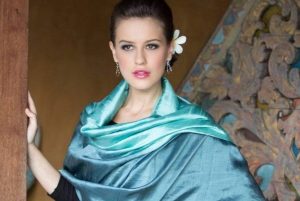






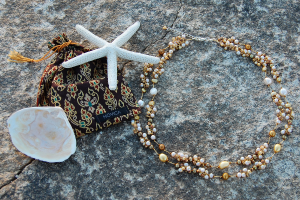

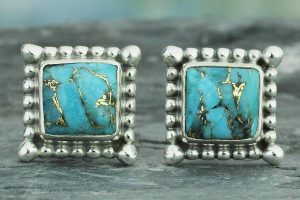

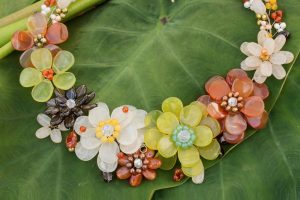


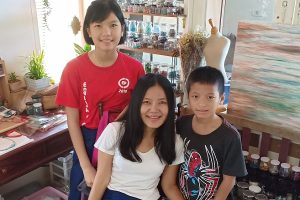


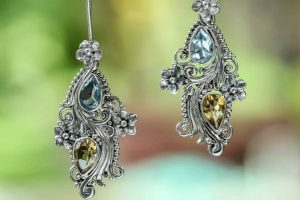

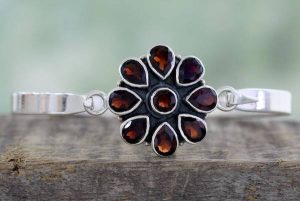


Every purchase supports NOVICA's mission to spread happiness by celebrating exploration, empowering artists, and preserving global culture. Our Mission
 Over $143.8 million USD sent to artisans so far!
1M+ happy customers·100% Happiness Guaranteed
Loved by over 1 million customers·100% Happiness Guaranteed


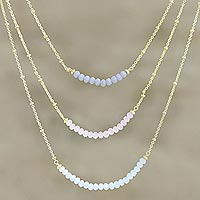

Vibración de color, Collar con colgante de calcedonia y cuarzo rosa bañados en oro
Length: 15.75"
Vivek Nathany

Majestad Seductora, Collar Estación De Cuarzo Y Labradorita Bañado En Oro De 22k
Vivek Nathany
Hechizos Dorados, Collar con dijes de varias piedras preciosas chapado en oro de 18 quilates
Neetu Barathi
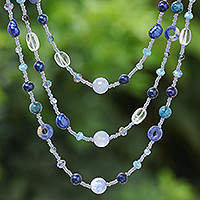
Maravilloso Azul Claro, Collar de cuentas de aguamarina con detalles en oro de 14 k
Nareerat
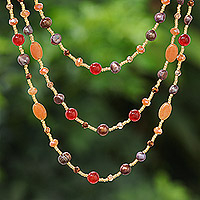
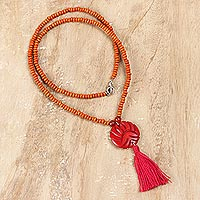
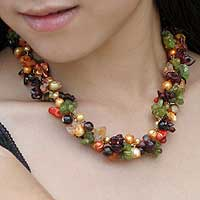
Naranja elegante, Colorido collar de hilo con múltiples piedras preciosas de Tailandia
Nareerat
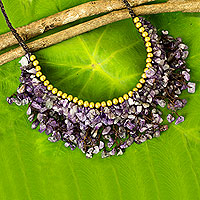
Fiesta de baile, Collar con abalorios de amatista y latón de Thai Artisan
Length: 18.5"
Tiraphan Hasub

Grandeza De La Tierra, Collar De Estación Con Cuentas De Madera Haldu Bohemio Hecho A Mano
Rahul Jain
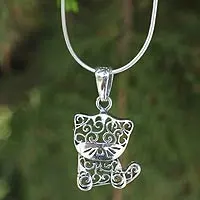
Gatito de filigrana, Collar de plata de ley con filigrana tailandesa
Length: 18"
Pichaya
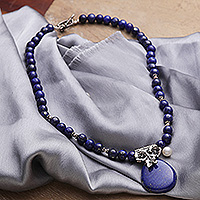
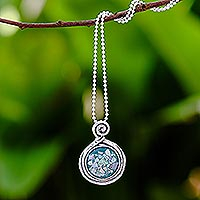
Lirio encantador, Collar Floral de Plata Esterlina y Lapislázuli
Length: 18"
Neeru Goel
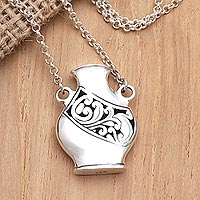
Ánfora, Collar con colgante de jarra de agua de plata esterlina unisex
Length: 20"
Dewa Arimbawa

Encantamiento Rústico, Collar bohemio de hilo con cuentas de madera burdeos y marrón
Rahul Jain


Fusión Elegante, Collar largo con cuentas de madera tallada a mano en marrón y beige
Rahul Jain

Alianza Solar, Collar de estación de madera Haldu marrón y negro hecho en la India
Rahul Jain

Armonía en el bosque, Collar de estación con cuentas de madera Haldu marrón y verde hecho a mano
Rahul Jain

Planetas Grises, Collar de estación con cuentas de madera Haldu marrón y gris de comercio justo
Rahul Jain
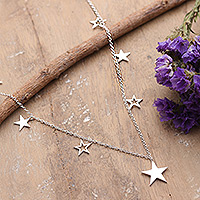
Deseos estrellados, Collar con dije de plata de ley con temática de estrella altamente pulida
Bhavya Jain

Fusión Distinguida, Collar largo de cuentas de madera hecho artesanalmente en burdeos y verde
Rahul Jain
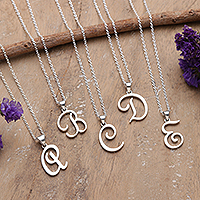
Letras danzantes, Collar con colgante de plata de primera ley con forma de letra cursiva
Bhavesh
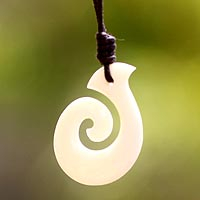
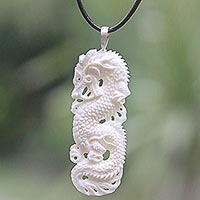
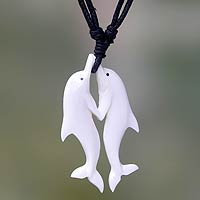
enganchame, Collar con colgante de hueso de vaca hecho a mano
Length: 18"
Andi Rachmansyah
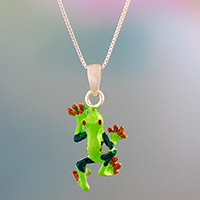
Rana de árbol, Collar con colgante de plata de ley con diseño de rana pintada
Eden Family

Glamour De Fuego, Collar de estación con cuentas de madera Haldu marrón y rojo bohemio
Rahul Jain
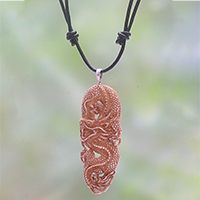
popurrí indio, Collar con colgante de cuero y madera
Length: 29"
Mohd Tanveer

Fusión Elegante, Collar largo de cuentas de madera tallada a mano en tonos marrones y aguamarina
Rahul Jain
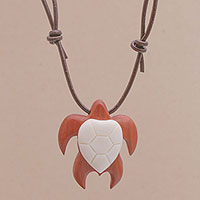
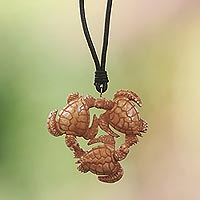
tortuga bali, Collar de tortuga de madera y hueso Sawo de Bali
Length: 18"
Andi Rachmansyah

Glamour Moderno, Collar de Hilo Largo con Cuentas de Madera Pintadas y Estampadas
Rahul Jain

Torsada De Marfil, Collar Torsade con cuentas hecho a mano en marfil y negro
Rahul Jain

Misterio De Cerezas, Collar de tres chapas de oro de 4 quilates de 18K de Bali de Bali
Made Sri
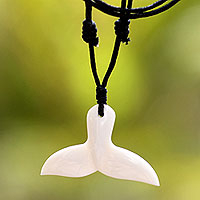
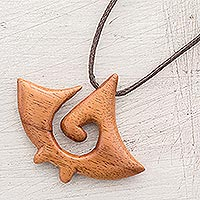
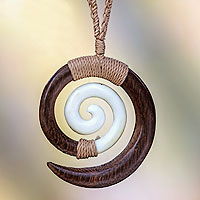
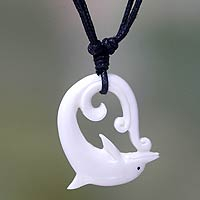
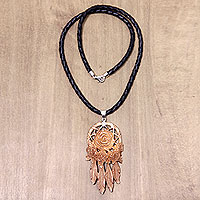
Cola de ballena, Collar con colgante de hueso de vaca hecho a mano
Length: 18"
Andi Rachmansyah

Fuego Estrellado, Collar de estación de madera Haldu rojo bohemio con cuentas de estrella
Rahul Jain
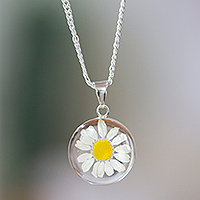
margarita suerte, Collar con colgante de margarita natural redonda de México
Emerson Zarate

Delicia Moderna, Collar de estación larga con cuentas de madera tallada y pintada a mano
Rahul Jain

Glamour vibrante, Collar Chapado en Oro de 18k con Colgante de Piedra Rubí Rectangular
Neetu Barathi
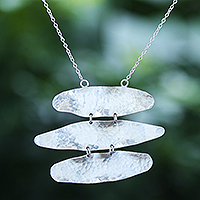
Horizonte, Collar colgante de plata de ley hecho a mano
Length: 30.5"
Pakaon Sojintarit
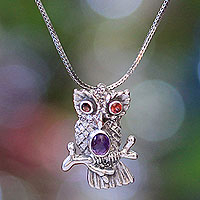
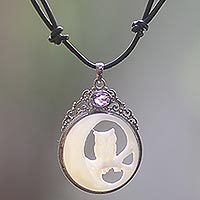
Búho sabio, Collar con Colgante de Plata de Ley y Amatista
Length: 17"
Nyoman Rena
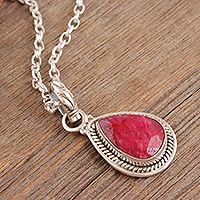
Efecto Halo en Rosa, Collar con colgante de plata de ley y rubí hecho a mano
Length: 18"
Bhavya Jain
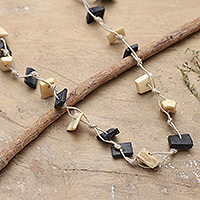
Magia eterna, Collar largo de cuentas tallado a mano en tonos marfil y negro
Rahul Jain
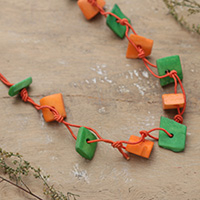
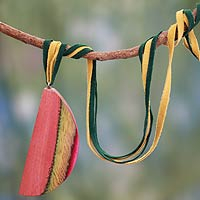
Verano intrépido, Collar de estación de algodón naranja y verde hecho a mano
Rahul Jain

Bohemio Oscuro, Collar De Hilo De Cuentas De Algodón Negro Bohemio Hecho A Mano
Rahul Jain
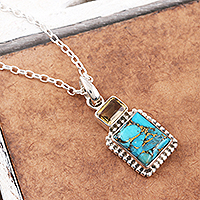
Fiesta del día en azul, Collar colgante de plata de ley y citrino hecho a mano
Length: 18"
Neeru Goel
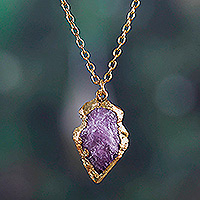
Misticismo Violeta, Collar con colgante de latón con piedra de amatista de forma libre
Sabir

Estilo Exquisito, Collar de estación larga con cuentas de madera marrón y azul tallada a mano
Rahul Jain
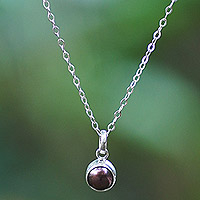
pequeña elegancia, Collar con Colgante de Plata de Ley con Perla Cultivada Redonda
Ketut Sulastri

Bucles De Medianoche, Collar de tres hebras con cuentas de madera Haldu hecho a mano en negro
Rahul Jain
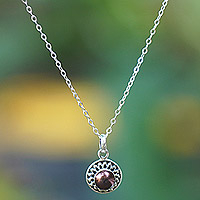
Glamour Mágico, Collar con colgante de perlas cultivadas y plata esterlina de Bali
Ketut Sulastri
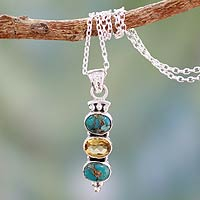
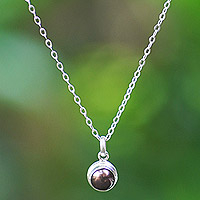
pequeño glamour, Collar clásico con dije de plata esterlina con perla cultivada
Ketut Sulastri
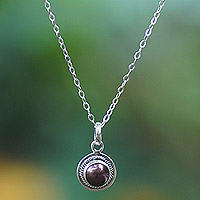
escudo perfecto, Collar con colgante de plata de ley y perlas cultivadas balinesas
Ketut Sulastri
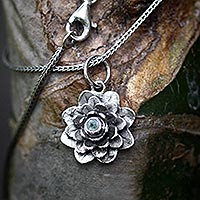
loto azul sagrado, Collar con colgante de topacio azul y plata de ley
Length: 17"
Nyoman Rena
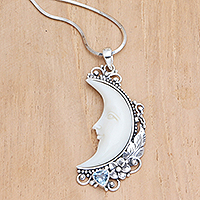
Luna de ensueño, Collar de amatista de plata de ley con colgante de luna tallada
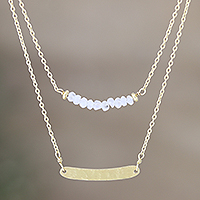
Made Wardika
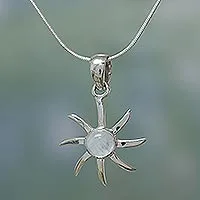
Brillo sencillo, Collar de doble vuelta con piedra lunar arcoíris
Length: 16"
Vivek Nathany
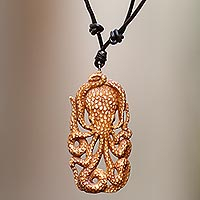
pulpo de bali, Collar Colgante Pulpo Tallado a Mano en Hueso de Vaca
Length: 13.5"
Made Wardika
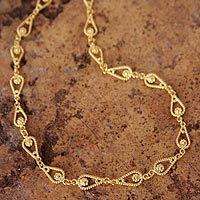
Lágrimas En Espiral, Collar De Cadena De Eslabones Bañado En Oro De 21K Hecho A Mano
Length: 18"
Giuliana Valz-Gen
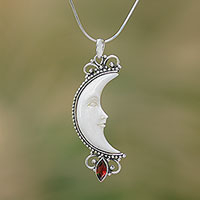
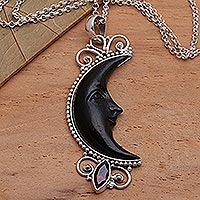
Luna creciente oscura, Collar Luna de Plata y Granate con Cuerno de Búfalo de Agua
Length: 19.75"
Made Wardika
Pétalo Onírico, Collar con colgante de orquídea azul y morada con detalles en oro de 22 k
Danai

Your answers straight from the village experts

Kathy
Jan 16, 2018
Did not expect such great quality.
BEAUTIFUL. EXACTLY AS SHOWN IN PICTURE. Not a cheap knock off type necklace. I would definitely order from this artist again!

Bethany
Apr 12, 2021
Trendy, but Mindful
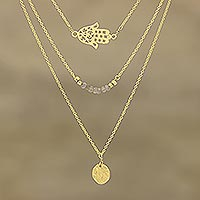
This layering gold-plated necklace is on trend as an accessory, but has a value much deeper than the average chains. Wearing the Hamsa calls us back to tradition and protection, while laboradite beads add beauty and another centering force. It’s the perfect length to hit mid sternum. Definitely no risk of being a choker, or too long to get lost under every camisole. Well worth the price!

Cindy
Aug 26, 2025
Lovely and Unusual Piece
This piece is truly lovely and unique. It's a good size, and the adjustable nature of the cord allows you to wear it in your own style. It picture accurately depicts the necklace. It is my new favoriate!





"Mis diseños están inspirados en las ricas culturas y el arte de las tradiciones de Bali".
Última actualización“Me uní a Novica en 2015. Gracias a Novica, he podido brindar comodidad financiera a mi familia. Puedo llegar a fin de mes para... read more
Discover our unique collection of beautiful, handmade objects from around the world, inspired by more than a century of exploration.
SHOP THE CATALOG




Every NOVICA order comes with our universal guarantee
 Expertly packed for safe delivery
Quality tested and verified by our region teams
Fair trade and 100% happiness guaranteed

Your support makes a real difference to the lives of artisans.
Ernestina Asante
West Africa
Although carving has long been regarded as the preserve of men, Ernestina has been able to make her own mark on the industry, carving her own masks and djembe drums.
Through her sales with NOVICA, Ernestina has grown as an entrepreneur, expanding her business and taking on apprentices. She even persuaded her husband who was a taxi driver to quit his job and join NOVICA as a carver.