Artisans the world over utilize the natural materials at their disposal to create beautiful, sustainable jewelry. Wood, bamboo and dried gourds. Coconut shells, rattan and terra-cotta. Even natural grasses lend themselves to a jeweler's creativity while art glass beads and pendants can be made from discarded bottles. Some artisans reclaim precious silver from photographic negatives. Colorful magazine pages can become tightly-rolled beads protected by a coat of varnish. Always creative, artists craft their bracelets out of innovative, eco-conscious materials.
Handmade women's bracelets each have their own unique characteristics. Color, texture, size and design all vary. Often, the technique alone will tell you, for example, hand-knotted, braided or woven bracelets. Leather bracelets with cutout motifs or embossing are usually crafted by hand.Thai jewelry by Karen silversmiths shows hand-stamped geometric or floral motifs and beads are usually made of fine silver, which is more malleable than sterling. Similarly, filigree jewelry is a meticulous handcrafted process. Most bracelets with natural, sustainable or recycled materials are handmade. Even some of the most sophisticated and modern gold and silver may be signed by the artist who made it.The most common indicator that a bracelet is handmade is the detailed and intricate design. Novica artisans demonstrate their techniques in the many videos on www.novica.com youll find the links on their product descriptions and also on the artisan bio page.
Traditional bracelet-making techniques have been passed down over generations around the world. Women's bracelets in gold and silver are usually crafted with the lost wax technique. The image is sculpted in wax and enveloped in a mold materia. As molten gold or silver is poured into the mold, the wax image melts and the metal takes its place. However coiling fine strands of metal results in Andean filigree jewelry. Balinese artistry applies polished spirals and tendrils as well as tiny globes known as jawan to sleek silver jewelry. And a few contemporary artisans even weave or crochet the slender silver strands.Jade was highly prized by the Maya and still has an important place in modern Guatemalan jewelry. Amber from the rich mines in southern Mexico adorns the women's bracelets, necklaces, and earrings of the area. Macrame and beading are popular everywhere for boho style. And West Africas handmade beadwork is renowned the world over.
women's bracelets carried immense cultural significance in ancient times and they still do. In Perus pre-Hispanic societies, gold represented the sun, and jewelry indicated social status and identity, as it also did among the Maya of Mexico and Central America. In India, bangles or kangans showed a woman was married and are a part of the 16 adornments customarily worn by a Hindu bride. Traditional West African beads are a sign of cultural identity. Each one has a meaning and tells a story.Today, women's bracelets are still culturally significant. In India, jewelry often depicts religious symbols and meditative mantras. Balinese bracelets may also depict dragons, thought to be the protectors of the gods, or the Hindu Barong deity, also a protection symbol. Motifs stamped into Karen hill tribe silver encourage living in harmony with nature. The hand-knotted bracelets of Guatemala symbolize friendship but evolved from a silent protest for loved ones missing during the country's armed conflict. Today, friends each tie a bracelet on the others arm and make a wish. The bracelet is worn until it wears out and falls off so the wish will come true.
Silver, gold, brass and copper have been popular for thousands of years and are often set with colorful gemstones. Artisans in different regions of the world take advantage of unique local resources, such as Brazilian golden grass, leather and coconut shell from Thailand, and carved bone jewelry from Bali. Intricate openwork carving, known as jali, can be seen in bangles from India. West Africa has a long tradition of beadwork, with beautiful beads made from recycled glass and even plastic becoming popular in recent years.
Global artisans use all sorts of materials in their handcrafted jewelry for men. In the Andes, sterling silver, leather, and combinations of natural stones are frequently used. In Bali, silver, gold, bone, wood, brass, and stainless copper adorn handmade jewelry. In West Africa, men's jewelry honors the cow, where bone and horns are incorporated into unique pieces.
Absolutely! Jewelry is an art form that allows makers to express their individuality and cultural influences, and certain designs are used to represent important symbols. For example, Central American artisans incorporate traditional figures, glyphs, and pre-Hispanic folklore. In Mexico, the famous work of artists Angel Ortiz, Maria Belen Nilson, and Rosa Rojo highlight the beauty of Aztec, Mayan and Teotihuacan civilizations. In Peru, powerful symbols, like the Andean chakana, are used to represent humanitys union with the cosmos. Indian artists are extremely tied to their faith and spirituality. Earring designs include chakra gemstones, motifs of Lord Ganesha, and other spiritual imagery. In Bali, the Om symbol is prevalent, as well as the mythological panther-like Barong image, which is seen as a protector spirit. Designs pulled from the natural world, like animal figures, feathers, plants, as well as stones, are used in almost every culture, which then infuses them with their own particular meanings.
Yes! We offer a wide selection of earrings that are made from eco-friendly materials. Cow bone, water buffalo horn, fabric, recycled paper, wood, palm leaf and coconut shells, just to name a few. Product descriptions always list materials used, so be sure to read about each product to discover how artisans are working to ensure sustainability and environmental consciousness.
There is no best when it comes to handmade earrings. However, certain materials lend themselves well to jewelry. Silver and gold, for example, are frequently used to make earrings because of their luster and shine. Each region puts its own unique touch on the art of earring-making. Most use some combination of silver, gold, gemstones, wooden or glass beads, and bones. Some regions, like West Africa, have found ways to introduce up-cycling into the jewelry-making process. Recycled plastic and paper beads, as well as coconut shells are commonly integrated into beautiful works of earring art. Whatever materials used, quality and safety are always our top priorities. Each pair of earrings is tested to ensure its safety. If you do have sensitive skin, you may consider rhodium plated earrings, as rhodium is completely hypoallergenic. You can always find all relevant information about materials in the product description.
Traditional artisans handcraft jewelry using the techniques and materials of their ancestors. In Indonesia, the most common mens bracelet is made from Akar Baharnatural, or black, coral. In the Andes, sterling silver, leather, waxed cotton threads, or natural stones adorn handmade jewelry. In Central America, the list includes: gold, brass, cord, wood, or glass. West Africa also makes use of these materials, plus wooden beads. And India incorporates gemstones into its rich history of jewelry.
Since time immemorial, jewelry has been used as a personal ornament, religious signification, or tastes in fashion. Today's handcrafted artisan jewelry is no different. In West Africa, leather is prized by certain tribes and connotes a connection to culture. In Indonesia, black coral, or Akar Bahar, is believed to protect the wearer from witchcraft and evil, and so it is used in many jewelry items for men. In Peru, leaders adorned themselves with garments that were exclusive to their rank, so men's jewelry not only indicated their function, but was also steeped in iconography, religious code, and emblems of power and prestige. In India, artisan jewelry incorporates the motifs of Om, a spiritual symbol signifying the essence of consciousness, and Lord Ganesha, the god of beginnings who is honored at the start of rites and ceremonies. Today, artisans working in these classical styles preserve the heritage that was passed down to them over time.
To understand the significance of traditional, handcrafted men's rings, we need to talk about stones. All over the world, stones reveal deep cultural connections to the land, belief systems, and aspirations. In Peru, artisan jewelry makes use of chrysocolla (also known as "Peruvian turquoise"), which was used by the Incas as an inlay in their goldwork. They believed it calmed their emotions and strengthened their immune defenses because it had medicinal powers. In Bali, kecubung (Amethyst) is incorporated into handmade rings because it brings peace to those who wear it. Kalimaya (Opal) is believed to stabilize the mental well-being of the wearer. In Guatemala, jade is the stone of choice, as the Mayans attributed special powers to it, believing it symbolized life, fertility, and power. In India, onyx is a stone of vigor and stamina, which strengthens self-confidence, banishes grief, and stimulates wise decision-making. Lapis lazuli relieves anger and negative thoughts and eases frustrations. Tigers eye stone aids harmony and balance and helps release fear and anxiety. The list of unique stones is as long as the master craftspeople who use them in their traditional jewelry.
From wedding rings to religious symbols, men's rings have carried tremendous significance throughout history. In West Africa, rings were originally used to represent God's unmatched power and the authority of mankind on earth. In India, handcrafted rings have been used to symbolize everything from devotion and fidelity to eternity and belief in a deity. Today, like in many cultures, Indian rings represent love, engagement and marriage. Pre-Hispanic cultures in Central America and South America used handmade jewelry to denote social position, rank, as well as personal adornment. Metal, bone, shell, and stoneparticularly jadewere chosen for beauty and durability. Even the choice of metal has meaning in particular cultures. The Incas, for example, believed that gold was a sacred metal sent by the sun god, Inti, and all mines belonged to the emperor, who protected his metals with great zeal.
Men have worn rings since ancient times as a personal ornament, a sign of social position, official rank, or a symbol of religious beliefs. Handmade jewelry may reflect changes in fashion, but it remains rooted in the history and culture of a people and place. Each unique ring reveals the artistic sensibility of its maker, yet certain symbols and motifs appear frequently. In India, the Om motif has special cultural significance as a sacred spiritual symbol. It signifies ultimate reality, or consciousness. In Bali, the Om Kara, or Ongkara, represents five elements: wind, fire, ether, water, air, and earth, which correspond to different aspects of the human body. Religion and mythology are also manifest in traditional jewelry. Lord Ganesha, one of the most worshipped deities in the Hindu pantheon, is revered as the remover of obstacles, the patron of arts and sciences, and the god of intellect and wisdom. In Bali, Barong is a lion-like mythical creature that symbolizes victory and spiritual protection. These symbols and others can be found on handmade rings from around the world and are ways of honoring history, culture, and spirituality.
Handmade necklaces are incomparable works of wearable art. Each one is unique in shape, color, size and design. Artisans from across the globe offer their own distinctive style of craftsmanship. In India, the vibrant colored gemstones have become a signature fashion statement. Balinese jewelry is characterized by ornate sterling tendrils set with tiny silver spheres. In Brazil, womens necklaces are often sleek and contemporary, with gemstones chosen for their particular energies. Many jewelry designs from Bali and Central America feature hand-knotted macram, such as that used in Guatemalas popular friendship bracelets. Handmade finishes may show variations in metal patterns. No two natural gemstones share the same characteristics. Each necklace holds its own individualistic sense of beauty, making it evident that it was crafted by hand. Some even bear the artisans signature.
Sustainable necklaces are designed with reusable materials, and each culture makes use of the objects and materials most readily at hand. For example, many Andean, Central American and Thai artists use repurposed wood. West African artisans use recycled paper, and beads of recycled glass or plastic. In Thailand, Mexico and Bali, coconut shells are often used. Indian artists sometimes repurpose silk from saris. And Brazilian artists collect discarded zippers and soda pop-tops to crochet into stunning, eco-friendly designs.
Many artisans the world over work in lost wax. They sculpt the image they want in wax, encase it in a mold, and pour molten silver or gold into it. The wax melts and flows out, leaving only the precious metal. However some artisans in Peru specialize in handmade silver and gold filigree, and some Balinese necklaces feature chains that are handwoven from slender metal strands. Karen hill tribe artisans in Thailand often use manual tools to stamp decorative motifs on fine silver. Other techniques include macram, beaded or gemstone strands, hammered metals, and carved wood or bone.
Precious metals and natural gemstones are the most popular materials for women's necklaces. Silver, gold and brass all provide durability as well as beauty. Artisans also utilize local materials that can include coconut shells, bamboo, bright African print fabrics, ceramic beads, natural amber, carved bone and bull horn. Both Peru and Mexico have rich silver mines and silver is used for traditional jewelry as well as contemporary designs.
Women's necklaces are versatile and come in many styles and lengths. They can be layered or worn alone as a statement piece. Many designs go with everything from jeans to office wear or an evening out on the town. The best thing about jewelry is that its a customizable form of expression that provides a sense of luxury and individuality.
When assessing the workmanship of a necklace, its helpful to pay attention to certain characteristics. For example, quality necklaces are balanced designs that rest comfortably around the neck. Clasps are secure and work well, and gemstones and beads are properly set. The precious metals should be nicely finished, and beads should not be too tightly strung. Well-made necklaces reflect excellent craftsmanship and attractive materials.
Each culture celebrates its rich jewelry-making history through specific symbols and styles. For example, traditional West African beads, which adorn many necklaces from the region, each have a story and a specific occasion when they are worn. Others may feature the Ghanian adinkra symbols, which convey popular wisdom. In ancient Andean civilizations, the leaders apparel and jewelry showed their rank and also incorporated religious symbols. Similarly, necklaces from Bali often depict deities from the Hindu pantheon. In India, a womans jewelry is linked to her status in society and may depict Hindu gods as well as mantra symbols such as the omkara, the root of all sounds and the emblem of the Most High. Angel necklaces and harmony ball necklaces are often worn by pregnant women in Bali and in Mexico. The pendant makes a delicate bell sound, thought to soothe the mother and the baby she is carrying. Some believe it summons a guardian angel, thus making it a symbol of loving protection.
More than a mere fashion statement, men's jewelry, including bracelets, have been worn throughout history to communicate cultural, religious, and social beliefs. Prehistoric man adorned his wrists with bones and shells to ward off evil spirits. Wealthy men wore bracelets made of gold and silver to display their power and status. Bracelets evolved over time from good luck charms to status symbols to modern style accessories. All the while, they pick up and preserve meaning from the past. In Peru, gold and silver bracelets were meant to complement each other symbolically. Gold represented the sun, the day, and the masculine. Silver represented the moon, the night, and the feminine. These two bright, powerful metals held one another in balance. In Central America, natural materials decorated men's jewelry to signify a connection to place. Metals, bone, shells, bird feathers (especially the beautiful quetzal bird), and carved stones (particularly jade for its power of fertility and life) protected and decorated the wearer.
Handcrafted mens jewelry captures our undying passion for symbols and meaning through a variety of designs, emblems, and carvings. In ancient Peru, men wore necklaces adorned with pendants of human, animal, and divine characters. A common symbol that has withstood the test of time is the Andean Chakana, or the staggered cross, that attests to the relationship between humankind and the cosmos. In Bali, mens jewelry integrated the cross, the sign of freedom, and Ongkara symbol for oneness and spirituality. In Central America, carved glyphs were commonly used. Animal figures and bird feathers (like the quetzal and macaw) had special significance, as did natural stones. In India, Om and Ganesha symbols are used for protection, prosperity and purity. In West Africa, Gye nyame, symbolizing Gods deep power and infinite knowledge, is still used on necklaces.
There is no right way to wear mens rings. Right hand, left hand, ring finger or thumb, where you place your ring is as much a matter of preference and comfort as it is style. Besides the common ring finger to signify love or marriage, other fingers of note are the index finger, which symbolizes power, leadership, and authority in some cultures, and the thumb, which can signify wealth. Wherever you choose to don it, a handmade ring should be as unique as the man who wears it.
The materials that comprise handmade artisan necklaces are as varied as the makers themselves. Craftspeople all over the world use metals, like sterling silver, gold, copper and brass, to perfect their designs. Cotton or nylon cord and leather are also common materials used in traditional mens jewelry. Wooden beads, cow bones, coconut shells, bamboo, and gemstones all adorn mens necklaces from across the globe.
Unique, stylish, and handcrafted. These are the guiding principles of wearing men's jewelry with confidence. There are no rules when it comes to men's bracelets. You can wear simple leather, or a combination of metals. You can go understated or bold. Colorful or subdued. However you choose to display your handmade jewelry, what matters most is that you discover pieces that attest to your own originality.
Techniques that rely on handmade craftsmanship honor the cultures and regions from which they come. In Bali, repouss, or the art of silver filigree, is still preserved by artisans today. In Central America, jewelry-makers work with natural stones, especially jade, in order to celebrate the techniques and materials used by their ancestors. In India, sterling silver jewelry is made through intricate jali carving or rawa (silver beading). Hand-casting and gemstone-cutting have also been passed down through the generations, and today, make their way into unique works of wearable art. In West Africa, fabrication (including soldering or welding) is a technique that has stood the test of time, as has leather twisting, which adorns mens jewelry from bracelets to necklaces.
The traditional techniques used to create artisan jewelry are as diverse as the cultures from which they come. In Peru, the ancient technique of handmade goldsmithing continues in the work of filigree, the art of weaving silver threads together. Originally brought to the Andes during the colonial period, filigree acquired local nuances and incorporated designs inspired by nature and daily life. In Bali, handmade jewelry makes use of a method called repouss, a decorative, detail-oriented artform that uses hammers and punches to raise metal in relief from the background of the ring. In West Africa, fabrication, casting, and forging are common handcrafted techniques, whereas in India, it is common to see cut gemstones intricately fitted within silver segments.
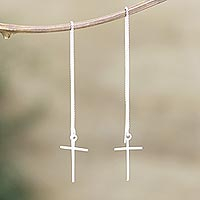
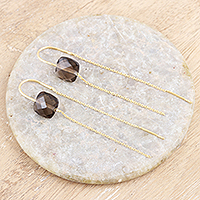
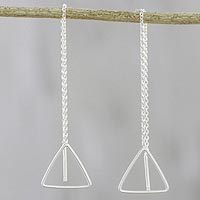
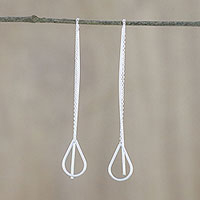
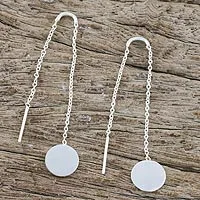
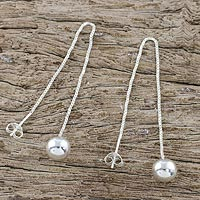
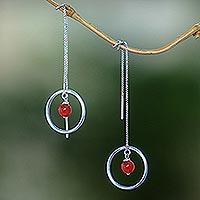
I love threader earrings but have a hard time finding ones that aren't too long. I love the simple design - the moons are shiny and I liked the curved metal piece that sits in your ear lobe. Glad I bought them!
The earings are beautiful! They arrived nicely packaged in a timely way. The little message card from the artist was a nice personal touch.
I like to wear threader earrings dangling partway, so I will change out the backing to something less conspicuous
Thank you!
I bought these as a thank you gift for an exceptional nurse who cared for me while I was in a rehabilitation center. I could not be more pleased with their delicate quality. This is only one of a number of items I,ve purchased from Novica, and each has been a winner.
"I currently work with more than 100 families, including Karen silversmiths, who help me to create handcrafted jewelry."
"My name is Lalana Thawiaphiradimani and I was born Northern Thailand to a big family with ten brothers and sisters. My family was poor, but my... read more
The Summer Catalog
Discover our unique collection of beautiful, handmade objects from around the world, inspired by more than a century of exploration.
Every NOVICA order comes with our universal guarantee
Expertly packed for safe delivery
Quality tested and verified by our region teams
Fair trade and 100% happiness guaranteed
Your support makes a real difference to the lives of artisans.
Ernestina Asante
West Africa
Although carving has long been regarded as the preserve of men, Ernestina has been able to make her own mark on the industry, carving her own masks and djembe drums.
Through her sales with NOVICA, Ernestina has grown as an entrepreneur, expanding her business and taking on apprentices. She even persuaded her husband who was a taxi driver to quit his job and join NOVICA as a carver.
Every purchase supports NOVICA's mission to spread happiness by celebrating exploration, empowering artists, and preserving global culture. Our Mission
“Just as every journey begins with a footstep, happiness begins with a smile.” ~ Una McClure
People and Planet First Verified Social Enterprise
 Artisan Subscription Box
 Passport Club





 Member Zone

 Bestseller





 Over $143.8 million USD sent to artisans so far!














 Expertly packed for safe delivery