 Artisan Subscription Box
 Passport Club





 Member Zone


 Bestseller
 Bestseller
 Bestseller
 Bestseller

 Bestseller


 Bestseller
 Bestseller
 Bestseller
 Bestseller
 Bestseller
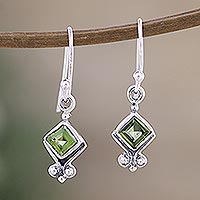
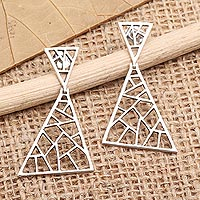
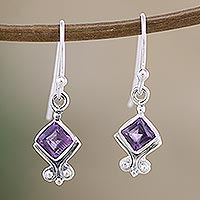
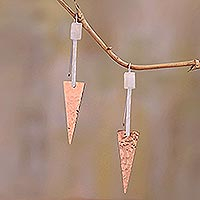
 Bestseller
 Member Zone



Every purchase supports NOVICA's mission to spread happiness by celebrating exploration, empowering artists, and preserving global culture. Our Mission
 Over $135.3 million USD sent to artisans so far!
1M+ happy customers·100% Happiness Guaranteed
Loved by over 1 million customers·100% Happiness Guaranteed

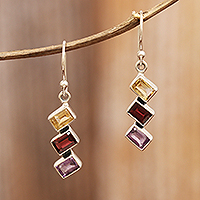

Escaleras deslumbrantes, Pendientes colgantes geométricos con múltiples piedras preciosas con un total de 3 quilates
Neeru Goel
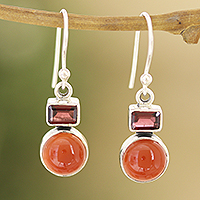
Alianza Roja, Pendientes colgantes de granate y cornalina de la India
Length: 1.3" x 0.4" W x 0.3" D
Shanker
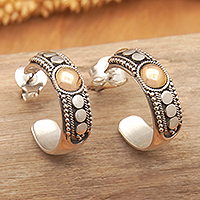
pensamientos dorados, Aretes de medio argolla con detalles en oro de 18 k elaborados en Bali
Made Suyana
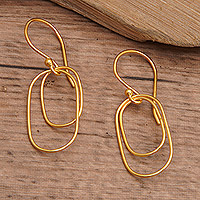
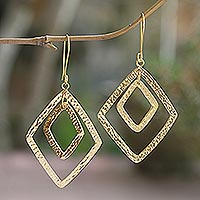
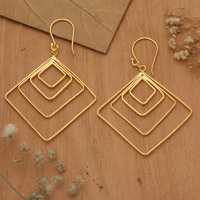
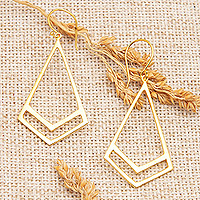
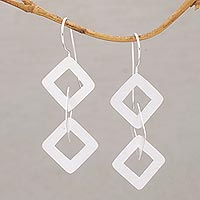
Doble resumen, Pendientes colgantes geométricos abstractos de latón bañados en oro de 18k
Suana Yasa
Fusión Real, Pendientes Colgantes Modernos De Plata De Ley Con Calcita Y Lapislázuli
Narayannii
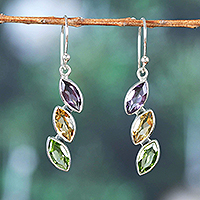
Cometas de colores, Aretes colgantes de piedras preciosas múltiples de seis quilates con gemas de talla marquesa
Neeru Goel
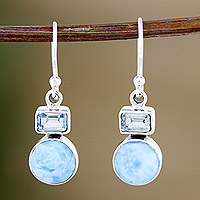
Alianza serena, Aretes colgantes de topacio azul y larimar Crafted India
Shanker
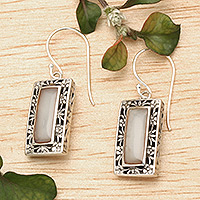
Espejo de ensueño, Pendientes colgantes florales de plata de ley y resina brillante
Made Mustika
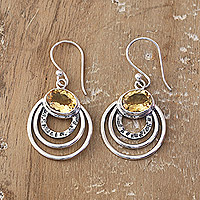
órbitas optimistas, Aretes colgantes modernos pulidos con gemas de citrino de 3 quilates
Neeru Goel
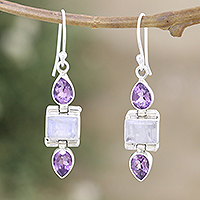
Profecías moradas, Aretes colgantes de amatista de 6 quilates y piedra lunar arcoíris
Shanker
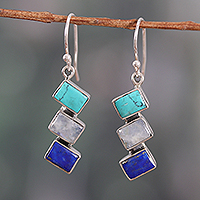
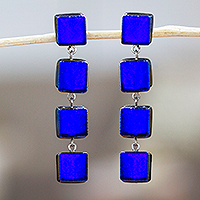
Escaleras Oceánicas, Pendientes colgantes geométricos con múltiples piedras preciosas en tonos azules
Neeru Goel

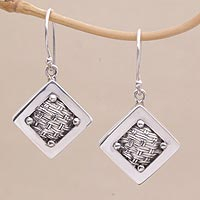
Mirada Elegante, Pendientes de aro de plata de ley en forma de rombo de la India
Bhavya Jain
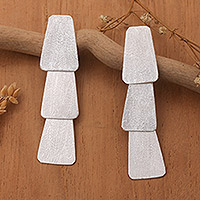
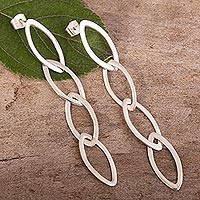
Dama Contemporánea, Pendientes colgantes modernos de plata de ley con satén cepillado
Desi Antari
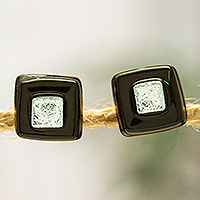
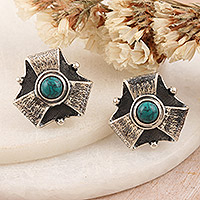
Alma emperatriz, Pendientes de botón geométricos de plata de ley elaborados en la India
Sapna Mehta
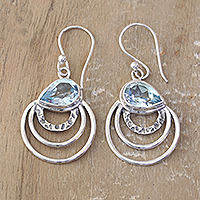
Órbitas leales, Aretes colgantes modernos pulidos con gemas de topacio azul de 4 quilates
Neeru Goel
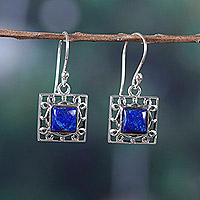
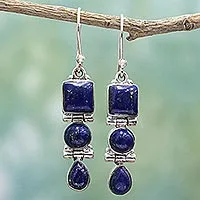
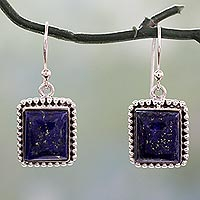
Ventana Real, Pendientes colgantes geométricos de lapislázuli de la India
Narayannii
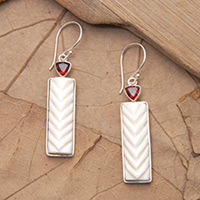
Pasarela Apasionada, Pendientes Colgantes Modernos Rectangulares De Granate Natural De Un Quilate
Made Wardika
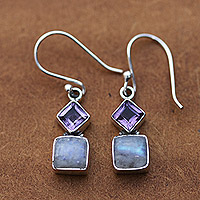
Armonía brumosa, Pendientes colgantes de plata con piedras lunares arcoíris y amatistas
Narayannii
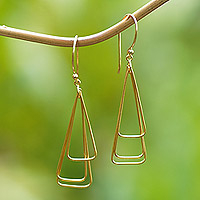
Reina de la pirámide, Aretes colgantes triangulares de latón chapado en oro de 18 k de Bali
Suana Yasa
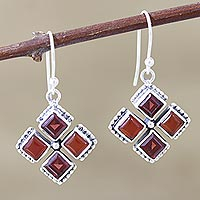
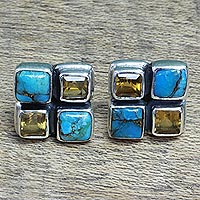
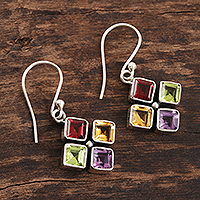
Cuadrilátero, Pendientes colgantes con granate y cornalina
Length: 1.4" x 0.8" W x 0.2" D
Neeru Goel
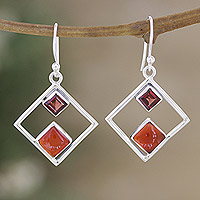
Rombo cálido, Pendientes Colgantes Rombo de Plata de Ley con Piedras Naturales
Narayannii
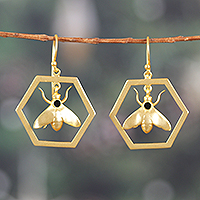
Abeja dorada, Pendientes colgantes de latón pulido con temática de abejas de la India
Anuva Baid
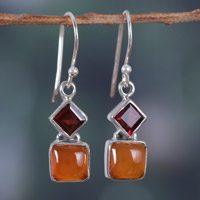
Armonía llameante, Pendientes colgantes de plata de ley con cornalina y granate
Narayannii
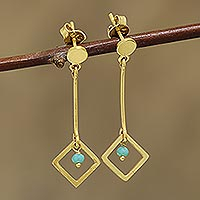
Órbitas victoriosas, Pendientes colgantes de latón bañados en oro de 18 quilates con forma de diamante
Suana Yasa
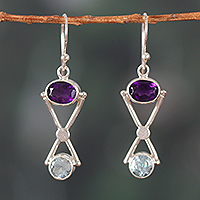
Vanguardia sabia, Pendientes colgantes geométricos de amatista y topacio azul de 4 quilates
Neeru Goel
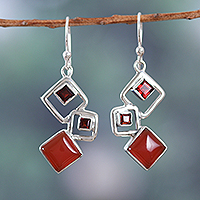
Nuevo rojo, Pendientes colgantes geométricos de granate natural y cornalina
Narayannii

Joyas de Majestad, Pendientes Botón de Plata de Ley y Cabujón de Lapislázuli
Shanker
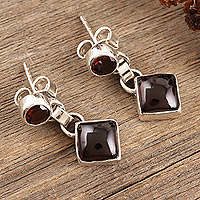
Rojo Precioso, Pendientes colgantes de granate y plata de ley hechos a mano en la India
Narayannii
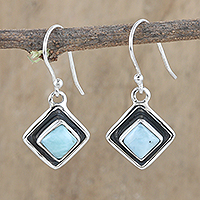
Azul pacífico, Pendientes colgantes de larimar de plata de ley con forma de diamante
Shanker
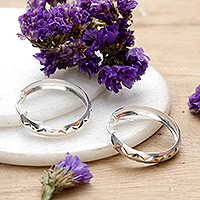
Pequeña inspiración de diamantes, Pendientes de aro de plata de ley con motivos de diamantes
Parul
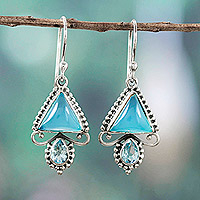
Convergencia Azul, Aretes colgantes de calcedonia y topacio azul de 1 quilate de la India
Shanker
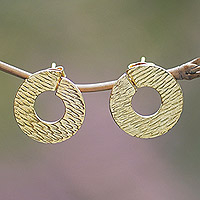
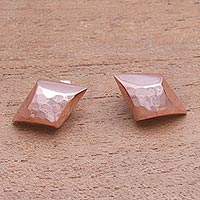
dona dorada dama, Pendientes de botón redondos de latón chapado en oro de 18 quilates martillados
Dewa Nyoman Oka
Sunset Chic, Pendientes de turquesa y carnalías con chapas de oro
Alok Jain
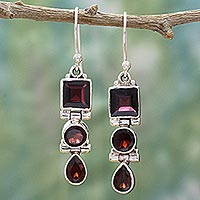
Glamour radiante, Pendientes colgantes de granate geométrico y plata de ley
Length: 1.8" x 0.3" W x 0.2" D
Neeru Goel
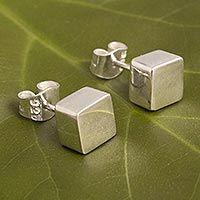
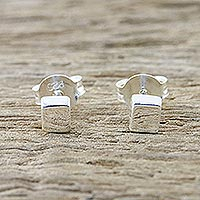
Cubo De Energía, Pendientes De Cubo De Plata Hechos A Mano
Length: 0.3" x 0.3" W x 0.2" D
Fermin
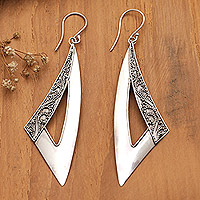
Navegar a Badung, Aretes colgantes triangulares tradicionales de plata esterlina
Sukartini
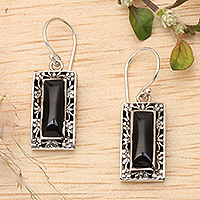
Espejo nocturno, Pendientes colgantes florales de plata de ley y resina negra
Made Mustika

Llama De Copo De Nieve, Pendientes colgantes de copo de nieve con circonita cúbica blanca y carmesí
Sapna Mehta
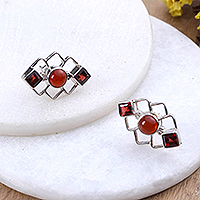
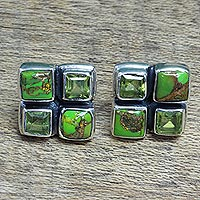
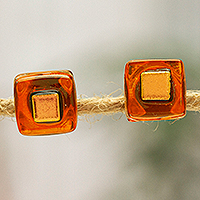
Armonía Romántica, Pendientes de botón geométricos de cornalina y granate de la India
Narayannii
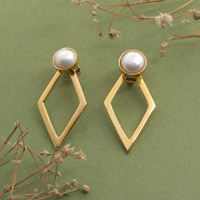
Cometa nacarada, Aretes colgantes de perlas minimalistas pulidos y chapados en oro de 18k
Suana Yasa
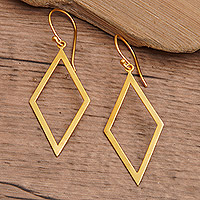
Festival de cometas, Aretes colgantes de latón chapado en oro de 18 k con forma de cometa de Bali
Suana Yasa
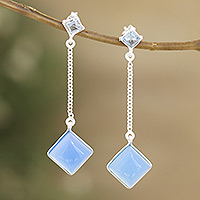
Diamante elegante, Pendientes colgantes de plata de ley con calcedonia y topacio azul
Narayannii
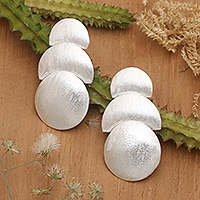
Día lunar, Pendientes colgantes de plata de ley geométricos modernos mate
Desi Antari
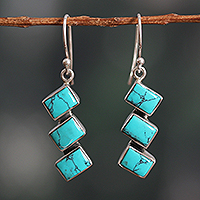
Escaleras curativas, Pendientes colgantes de cabujón de calcita geométrica pulida
Neeru Goel
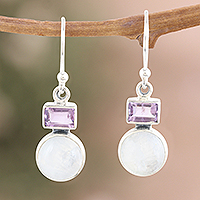
Alianza elegante, Pendientes colgantes de piedra lunar arcoíris y amatista de la India
Shanker
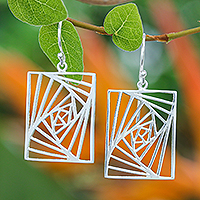
Rectangular impecable, Pendientes colgantes modernos rectangulares calados de plata de primera ley
Lalana
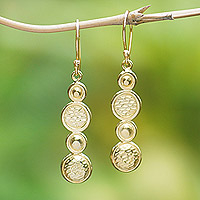
galaxias doradas, Aretes colgantes modernos de latón chapado en oro de 18 k de Bali
Dewa Nyoman Oka

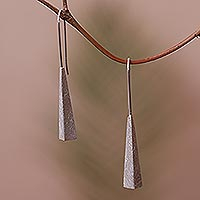
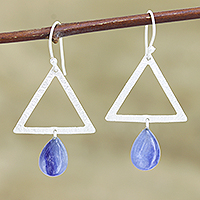
Pirámides Elegantes, Pendientes De Aro De Plata Esterlina Con Forma De Triángulo En Forma De Triángulo
Bhavya Jain

Ídolo de la claridad, Pendientes Colgantes De Labradorita En Forma De Tablero De Ajedrez Pulido De 28 Quilates
Bhavya Jain
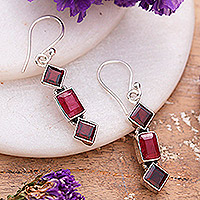
Valiente y apasionada, Pendientes colgantes facetados de granate de cinco quilates y cornalina
Narayannii
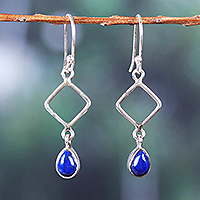
Azul moderno, Pendientes colgantes geométricos de lapislázuli con forma de diamante
Narayannii

Rutas Del Diamante, Pendientes colgantes de latón pulido en forma de diamante de la India
Ritu Malpani


Your answers straight from the village experts

Pamela
Jun 22, 2019
My sixth pair of Neeru Goel earrings
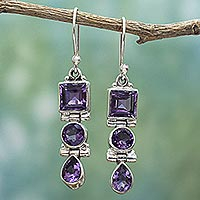
I love the grace and elegance of these earrings. The amethyst is well matched and they hang so gracefully from my ears. They are stunning on and I'm so proud to own more of Neeru Goel's stunning works of art. I will be buying more jewelry.

Loraine
Jan 28, 2024
Garnets are a favorite and these earrings are beautiful
Full disclosure, garnet is my birthstone. I'm always attracted to garnet earrings because I wear very little other jewelry. These look as good as they do online. And they look good on me. I'm very pleased with them,
Byron
Dec 28, 2023
Stunning!
I kept these in my favorites for several months thinking LOVE them, but don't need more Lapis Luzuli earrings. But I couldn't resist any longer and now sorry I waited! They are even more beautiful in person. Great workmanship shows with exceptional quality. I have the garnet and onyx and they are equally lovely!






"Coleccionar joyas y piedras preciosas ha sido mi pasión desde la infancia".
El arte de Neeru Goel ha aparecido en la revista Depth".
"¡Hola! Mi nombre es Neeru Goel y nací el 19 de septiembre de 1960. Pasé la mayor parte de mi infancia en Kolkata, una metrópolis en Bengala... read more
Discover our unique collection of beautiful, handmade objects from around the world, inspired by more than a century of exploration.
SHOP THE CATALOG




Every NOVICA order comes with our universal guarantee
 Expertly packed for safe delivery
Quality tested and verified by our region teams
Fair trade and 100% happiness guaranteed


Where in the world can we take you?